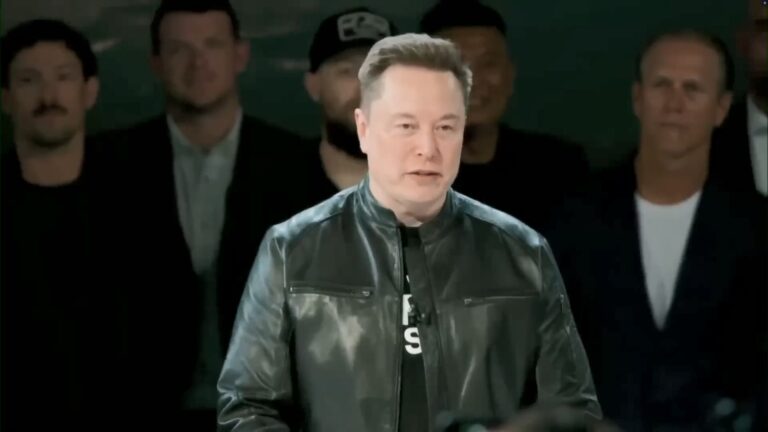

【日英字幕】イーロン・マスク:2026「G20テクノロジー会議」スピーチ
本動画は、2026年「G20テクノロジー会議」にマスク氏がサプライズ登壇した際の貴重なセッションです。世界各国のリーダーが集うこの重要な場で、彼はAIとロボティクスがもたらす「想像を超える大繁栄の未来」について語りました。
💡 この動画の見どころ
新しい挑戦を後押しする「原則オッケー」の環境づくりや、未来を担うスタートアップという“小さな苗木”への熱い期待を語る前半。
そして中盤では、「1年半以内にAIは人間の能力を超え、あらゆるデジタル作業をこなす最強のパートナーになる」という衝撃予測を展開します。
巨大な繁栄の波にどう乗るのか? 次のビジネスチャンスはどこにあるのか?AI・ロボット時代の未来が一気に見えてくる、見逃せない必見インタビューです!
Youtubeのフォローをよろしくお願いします。
最新のコンテンツや、サイトにない学習材料も発信しています。日々の英語トレーニングに役立ててください。

【スピーチ全文】※大きな日英字幕付き、単語やフレーズ解説はビデオをご覧ください。
First, our first speaker is Elon Musk.
さて、最初のスピーカーはイーロン・マスク氏です。
As the CEO of Tesla and SpaceX,
テスラとスペースXのCEOであるイーロンは、
Elon has shown that conquering challenges of physics and engineering can be easier than cutting through red tape.
お役所仕事を切り抜けるよりも、物理や工学の難題をクリアするほうがずっと簡単だ、ということを自ら証明してきました。
And I think his dedication to doing both, however, continues to inspire people around the world.
それでも、その両方に全力で取り組む彼の姿勢は、今も世界中の人々にインスピレーションを与え続けています。
So thank you, Elon, for joining us.
イーロン、本日はご参加いただきありがとう。
We were just wrapping up our introductory session where we made clear that under this presidency,
先ほど導入セッションが終わったところですが、この政権下では
we believe that economic growth is one of the most important drivers for all of us,
経済成長こそが最も重要な原動力であり、
and we believe that technology is a big piece of that.
テクノロジーがその大きな鍵を握っている、とお話ししました。
So you’ve been on the front lines of this for quite a while,
あなたは長年、その最前線に立ってこられましたよね。
and I think one of the key questions, I think, for the group and something that we wanted to talk to you about was,
そこで皆さんを代表してぜひお聞きしたいのですが、
as you have driven innovation across multiple countries around the world,
これまで世界各国でイノベーションを牽引してこられた中で、
what, in your opinion, separates countries where innovators can successfully turn breakthroughs into deployed technologies from those where progress actually stalls?
イノベーターが画期的なアイデアを実際のテクノロジーとしてうまく展開できる国と、進歩が止まってしまう国との違いは、ズバリ何だとお考えですか?
Because I think there’s a lot of lessons learned about what people, governments should be doing and what maybe they shouldn’t be.
政府や私たちが「何をすべきで、何をすべきでないか」について、学べる教訓がたくさんあると思うんです。
Well, yeah, I think a lot of people have talked about this,
そうですね。色々な人がこのことについて話してますが、
and I think some of it, frankly, is pretty straightforward, is that
ぶっちゃけて言うと、答えはかなりシンプルなんです。つまり、
you have to have an environment that’s relatively free of regulation,
比較的規制のない環境が必要だということです。
meaning that new things must be default legal as opposed to default illegal.
新しいことは、「原則ダメ」じゃなくて、「原則オッケー」じゃなきゃいけないんです。
So in the EU, for example, we find that the regulation level is extraordinarily high and things are generally default illegal.
例えばEUなんかだと、規制のハードルが異常に高くて、基本的には「原則ダメ」になっていますよね。
And this inhibits progress of new technologies.
これが新しいテクノロジーの進歩の足かせになっているんです。
It slows it down.
スピードを落としてしまうんですよ。
It doesn’t ultimately stop it, but it slows it down quite considerably.
完全にストップしてしまうわけではないですが、ものすごく遅れをとることになります。
Of course, you need to have venture capitalists and an environment that is
supportive of new companies. もちろん、ベンチャーキャピタルの存在や、新しい企業を応援する環境も必要です。
You can think of new companies like small saplings in a forest.
新しい会社って、森の中の小さな「苗木」みたいなものなんですよ。
So what most…
でも、ほとんどの…
Countries tend to do is they tend to provide too much support to the large existing trees in the forest
国がやりがちなのは、すでに大きく育った木ばかり過剰に支援して、
and not enough to the small saplings.
小さな苗木には十分なサポートをしないってことです。
But the large trees don’t need their support.
でも、大きな木にはそんなサポート必要ないですよね。
It’s the small saplings that do, the startups.
本当に助けがいるのは小さな苗木、つまりスタートアップの方なんです。
And so the system should be generally biased towards supporting
だから、社会のシステム全体として、優先的に支援すべきなのは、
the small trees as opposed to the large ones.
大きな木じゃなくて、「小さな木」の方なんです。
But that is rarely the case.
でも、現実はなかなかそうはなっていません。
Because a lot of large companies have access to, usually they have access to the leadership of the countries and the small startups do not.
大企業なら国のトップとも簡単につながれますが、小さなスタートアップにはそんなコネはありませんからね。
So you really need to foster the growth of young companies and take active steps in that regard.
だからこそ、若い企業の成長を本気で後押しして、そのためのアクションを積極的に起こす必要があるんです。
And like I said, make things default legal, not default illegal.
そしてさっきも言ったように、ルールを「原則ダメ」じゃなくて「原則オッケー」にすることですね。
One question that a lot of the countries here face is a question around
adoption. 今日集まっている多くの国が直面している課題の一つが、テクノロジーの「導入や普及」についてです。
I think there’s a general recognition that adopting emerging technologies can be very beneficial to economic growth, no matter what sort of shape, size of any country is.
国の規模や状況に関わらず、新しいテクノロジーを取り入れることが経済成長にすごくプラスになる、というのは皆わかっていると思います。
How do you think about adoption?
この「テクノロジーの導入」について、どうお考えですか?
What should countries be doing to encourage adoption?
普及を進めるために、国は何をすべきなんでしょうか?
Does it go back to the same sort of regulatory structures?
やっぱりさっきの規制の話に戻るんでしょうか?
Or how do you think about adoption as a key driver for growth?
それとも、成長の起爆剤としての導入について、何か別のお考えがありますか?
Yeah, I think you want to have a lean forward, try new technologies approach to new technologies.
ええ、新しいテクノロジーに対しては、「とにかく前のめりで試してみる」というスタンスがいいと思いますよ。
Otherwise, as opposed to be somewhat stuck in the past.
過去のやり方にしがみつくのとは正反対のアプローチですね。
Naturally, new technologies need some encouragement and I think should be embraced.
当然、新しい技術にはある程度の後押しが必要ですし、どんどん受け入れていくべきだと思います。
We are going to see, and are seeing in fact, significant productivity gains from artificial intelligence
私たちはこれからAIによって生産性が爆発的に上がるのを目撃することになります。いや、実際もう目にしてますよね。
and we’ll see very dramatic gains in productivity from robotics.
さらにロボット技術によって、もっと劇的な生産性アップが起きるはずです。
Tesla self-driving car is going to be a tremendous boon, or is a tremendous boon already to users.
テスラの自動運転なんかは本当にものすごい恩恵になりますし、実際に今のユーザーにとってもすでに大きなメリットになっています。
And I think humanoid robotics will be just an incredible change.
それに、人型ロボットの登場は、信じられないような変化をもたらすと思いますよ。
I think just to give you some sense of scale here, I think the
ちょっとスケール感がわかるように説明すると、
I think AI will probably increase the global economy by 20 to 30 percent.
AIはおそらく世界経済を20%から30%くらい引き上げるはずです。
That’s my rough estimate, meaning on the order of $20 to $30 trillion per year.
ざっくりとした計算ですが、年間で20兆ドルから30兆ドル規模のプラスになるってことです。
And AI will be able to do anything digital, anything that does not require shaping of atoms by hand,
それにAIは、手作業で物理的にモノを作る以外の、デジタルな作業ならなんでもこなせるようになるでしょう。
probably by the end of next year.
おそらく来年の末までにはね。
So as I’m sure people know, AI is already incredibly good at software.
皆さんも知っての通り、AIはすでにプログラミングなどのソフトウェアの分野でめちゃくちゃ優秀ですよね。
And it’s getting to the point where AI won’t just be good at software, it’ll be what I call stockfish level good.
しかも単に優秀なだけじゃなくて、私が言うところの「Stockfish(ストックフィッシュ)レベル」にまで達しつつあるんです。
So stockfish is a chess program that can beat the world’s best chess players very easily.
Stockfishっていうのは、世界最強のチェスプレイヤーでも簡単にボコボコにできちゃうチェスプログラムのことです。
In fact, at this point, you could run Stockfish on your phone and beat Magnus Carlsen at chess.
実際、今でもスマホでStockfishを動かせば、あのマグヌス・カールセンにだって勝てちゃいますからね。
So, at some point next year is my prediction,
だから私の予想では、来年のどこかで
software will be so good, AI software will be so good that it will be Stockfish level good,
AIソフトウェアはStockfishレベルの凄まじい域に達するはずです。
meaning that it is impossible for a human to compete in writing software. With AI.
つまり、プログラミングにおいて人間がAIに勝つのは、もう不可能になるってことです。AI相手ではね。
But like AI will just crush all humans as software.
ソフトウェアの分野では、AIが全人類を完全に圧倒するでしょう。
And I think it will be extremely good, possibly stockfish level,
Stockfishレベルにまで進化する可能性があります。
but certainly extremely good at all forms of engineering and anything digital.
あらゆるエンジニアリングやデジタル分野で、人間を圧倒するほど優秀になると思いますよ。
Literally in 12 to 18 months.
文字通り、ここから12ヶ月から18ヶ月以内の話です。
One of the stats…
データの一つに…
Actually, let me just add one more thing to that, my apologies.
あ、ごめんなさい、ちょっともう一つだけ付け足させてください。
So 20-30% increase of total global economy.
さっき、世界経済全体が20〜30%アップすると言いましたよね。
So this is quite a lot of prosperity we’re talking about here.
これって、とんでもないレベルの経済成長の話をしているわけです。
Just from digital AI.
でもこれ、ただの「デジタル上のAI」だけでの話。
But from robotics, from…
これがロボット技術、つまり…
From humanoid, basically think of it like a general purpose robot AI,
人型ロボット、まあ基本的には汎用のAIロボットだと思ってください、
I think we’ll see many multiples of the global economy.
これらが普及すれば、世界経済は何倍にも跳ね上がると思います。
Meaning like you can increase the economy by a factor of 10 or more.
つまり、経済を10倍以上にスケールアップさせることができる、ってことです。
These are mind-boggling numbers.
本当にちょっと想像を絶するような数字ですよね。
Yeah, I was just about to say that.
ええ、私もまさにそう言おうと思っていました。
I mean, one of the stats we gave to the group here was that
というのも、皆さんに共有したデータの一つに、
in the four years since sort of ChatGPT was launched, I think there’s over a billion people around the world already using AI.
ChatGPTの登場からたった4年で、すでに世界中で10億人以上の人がAIを使っている、というものがありました。
There’s been very quick uptake around the world on that.
世界中で、とんでもないスピードで普及していますよね。
I guess the question to you is I think a lot of people think about sort of the next chapter being in this sort of applied or sort of physical AI.
そこでお聞きしたいんですが、多くの人は次のフェーズが、こうした「応用AI」や「物理的なAI」になると考えていると思うんです。
Where do you see sort of robotics trending?
ロボット技術のトレンドは、これからどこへ向かっていくと見ていますか?
How quickly is it going to be implemented?
そして、どれくらいのスピードで社会に実装されていくんでしょうか?
I think I remember in the first Trump administration, we were talking about sort of automated factories,
最初のトランプ政権の時にも「工場の自動化」について話したのを覚えていますが、
and now we’re a year later, 10 years later.
あれからもう10年経ちました。
So how quickly do you think these changes are happening in the sort of physical AI world?
この物理的なAIの世界では、これからどれくらいのスピードで変化が起きていくとお考えですか?
Yeah, so anything physical always takes longer than anything which is digital.
そうですね。物理的なモノっていうのは、デジタルの世界に比べてどうしても時間がかかります。
Digital, you know, when you solve something digitally, it’s the software that you can easily copy across other computers.
デジタルの場合、何か問題を解決するソフトウェアを作れば、他のパソコンにコピペするだけで済みますからね。
When it’s physical, you’ve got to build up an entire massive supply chain.
でも物理的なモノとなると、巨大なサプライチェーンを一から作り上げなきゃいけません。
You’ve got to move a lot of atoms.
大量の物質を移動させなきゃならないんです。
And supply chains are very much global at this point.
しかも今の時代、サプライチェーンは完全にグローバル化しています。
So that’s why it takes longer.
だから時間がかかるんですよ。
Nonetheless, when you think of humanoid robotics, the way you think about it, I think the right framework is to consider that
とはいえ、人型ロボットを考えるなら、こう捉えるのが一番わかりやすいと思います。
the usefulness of a humanoid robot, a general purpose robot, is going to be
人型ロボット、つまり汎用ロボットの価値は
roughly the digital…
それはつまり…
The AI software, how good is the AI software times how good is the AI chip in the robot times how good is the electromechanical dexterity, especially of the hands.
「AIソフトの優秀さ」×「ロボットに積まれたAIチップの性能」×「メカの器用さ、特に手の器用さ」です。
Now, all three of those things are improving exponentially.
今、この3つの要素がすべて、ものすごい勢いで進化しています。
And the usefulness of the robot is those three things multiplied by each other.
そしてロボットの性能は、この3つを掛け合わせたものになるんです。
Then when you make the robots, the robots will…
さらにロボットを作る段階になると、いずれ…
The robots will start manufacturing the robots.
ロボットがロボットを組み立てるようになります。
So you get a recursive effect.
つまり、雪だるま式に増えていくフェーズに入るんです。
So it starts off very slowly, but then it grows at an explosive rate.
だから、最初はすごくゆっくりとしたスタートでも、途中から爆発的なペースで増えていきます。
So if you say like 10 years from now, I would say there are well over a billion humanoid robots.
なので、例えば10年後をイメージすると、10億台以上の人型ロボットが確実に存在しているはずです。
And the productivity per robot will be probably five times that of a human.
しかも、ロボット1台あたりの生産性は、おそらく人間の5倍くらいになるでしょう。
Meaning that the productivity in 10 years of humanoid robots, and I think this is a conservative estimate, by the way,
つまり10年後のロボットの生産性ですが、ちなみにこれはかなり控えめに見積もっての話ですよ、
this is one I wouldn’t be willing to put serious money betting on, that there will be at least a billion robots in 10 years.
本気で大金を賭けるつもりはありませんが、10年後には少なくとも10億台のロボットが存在しているはずです。
And that those robots will be at least five times the output of a human,
そしてそのロボットたちは、少なくとも人間の5倍の仕事をする。
meaning the billion humanoid robots will be more productive than all humans combined.
つまり、この10億台のロボットだけで、全人類を合わせたよりも多くのものを生み出すようになるということです。
Youtubeのフォローをよろしくお願いします。
最新のコンテンツや、サイトにない学習材料も発信しています。日々の英語トレーニングに役立ててください。